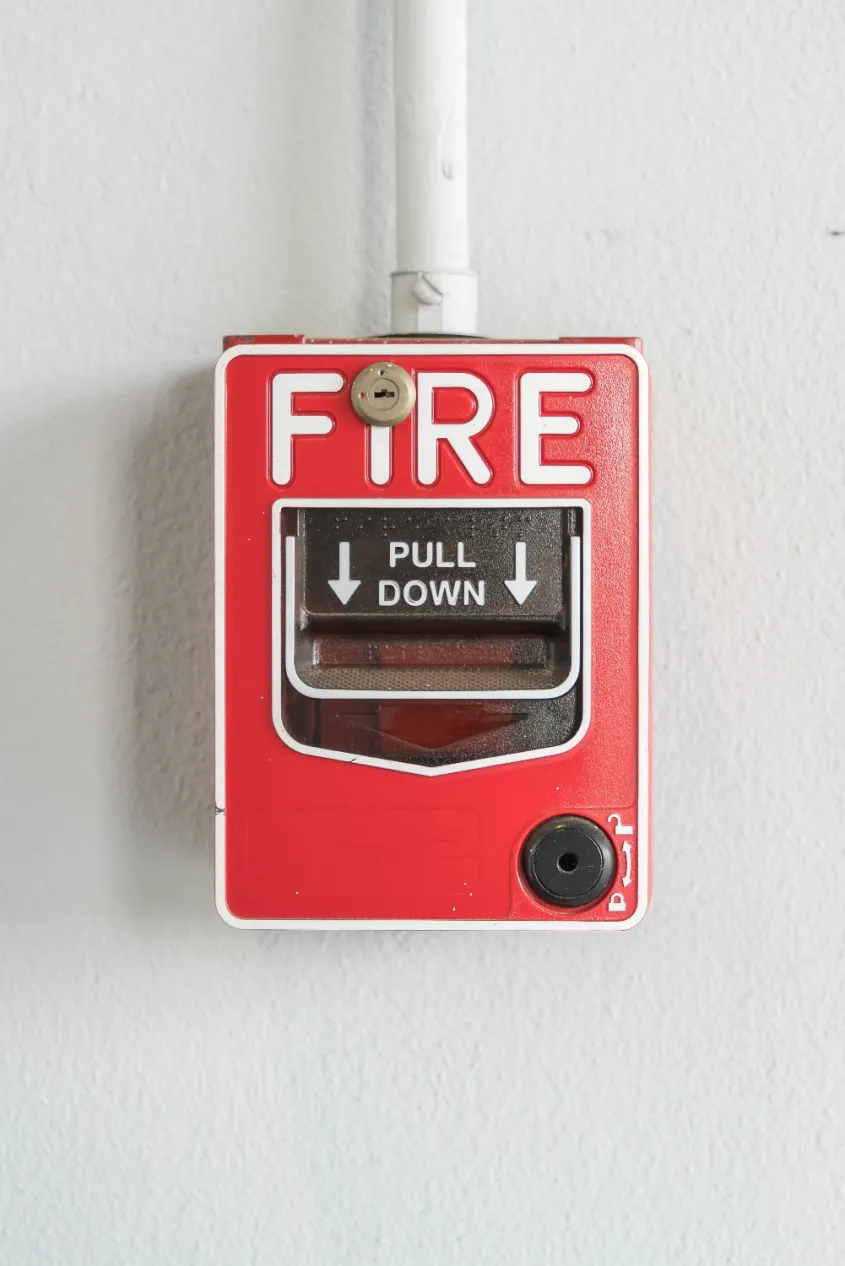
Fire alarm systems in commercial buildings require a tiered inspection schedule under NFPA 72: weekly and monthly visual checks, quarterly testing of specific components, and a comprehensive annual professional inspection. While facility staff can perform visual checks, annual inspections must be completed by a licensed professional like Action Fire & Alarm to ensure full compliance.
Fire Alarm Inspection Frequency Table
| Interval | Component | Action Required | Performed By |
| Weekly | Control Panel, Trouble Indicators | Visual Check | Facility Staff |
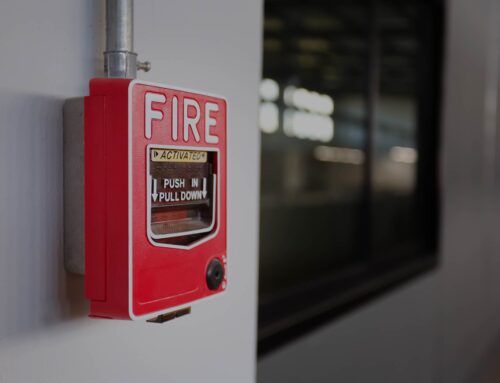
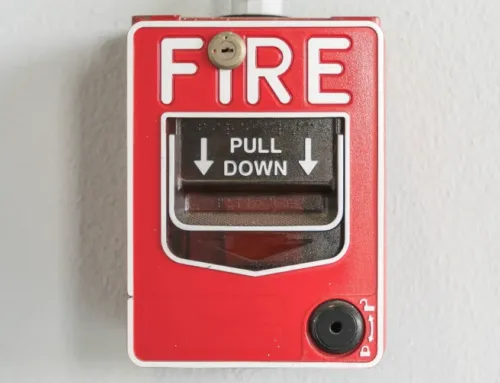
| Monthly | Smoke Detectors, Pull Stations, Notification Appliances | Visual Inspection | Facility Staff |
| Quarterly | Waterflow Switches, Tamper Switches, Supervisory Devices | Functional Test | Licensed Technician |
| Semi-Annual | Sprinkler System Supervisory Devices, Valve Supervisory Switches | Functional Test | Licensed Technician |
| Annual | Full System (All Detectors, Panels, Batteries, Wiring, Strobes, Horn/Strobe Devices) | Full Functional & Load Test | Licensed Technician |
| Every 3-5 Years | Sealed Lead Acid Batteries | Replacement or Load Test | Licensed Technician |
Understanding NFPA 72 Compliance for Building Owners
NFPA 72, the National Fire Alarm and Signaling Code, establishes the minimum standards for the installation, performance, inspection, testing, and maintenance of fire alarm systems across the United States. For commercial building owners and facility managers in Wisconsin, compliance is not optional. It is a legal requirement enforced at both the state and local level.
The Role of the Authority Having Jurisdiction (AHJ)
The Authority Having Jurisdiction, commonly referred to as the AHJ, is the organization, office, or individual responsible for enforcing the requirements of NFPA 72 in your area. In Wisconsin, this is typically the local fire marshal or fire department. The AHJ has the authority to interpret code requirements, approve inspection schedules, and mandate corrective action when deficiencies are found. Failure to satisfy AHJ requirements can result in fines, failed occupancy inspections, or forced closure of your facility until violations are resolved.
This is why partnering with a locally experienced provider matters. Action Fire & Alarm has served commercial property owners across Waukesha, Racine, and Milwaukee for over 30 years. That depth of local experience means they understand exactly what Wisconsin AHJs expect and how to ensure your system meets those standards without surprises.
Mandatory Inspection Frequencies: The NFPA 72 Schedule
NFPA 72 does not leave inspection frequency to interpretation. The code outlines a precise schedule tied to specific components and system types. Understanding this schedule helps building owners avoid violations and maintain uninterrupted occupancy approval.
Annual Inspections: A Full System Test, Not a Walkthrough
The annual inspection is the most comprehensive requirement under NFPA 72 and is frequently misunderstood. Many building owners assume it is a simple visual walkthrough, but it is not. A compliant annual inspection includes functional testing of every initiating device such as smoke detectors, heat detectors, and pull stations, along with all notification appliances including horns, strobes, and speaker/strobes, the main control panel and all remote annunciators, battery systems including sealed lead acid battery load testing, all wiring and connections, and any monitoring equipment tied to your UL-listed central station.
This level of inspection requires specialized equipment and licensed technicians. Action Fire & Alarm performs thorough annual inspections across Waukesha and Racine counties, providing detailed written reports that document every test result for your records.
Semi-Annual and Quarterly Inspections: Specialized Devices
Not every component is tested annually. NFPA 72 requires quarterly and semi-annual testing for several critical device categories that fall outside the standard annual cycle.
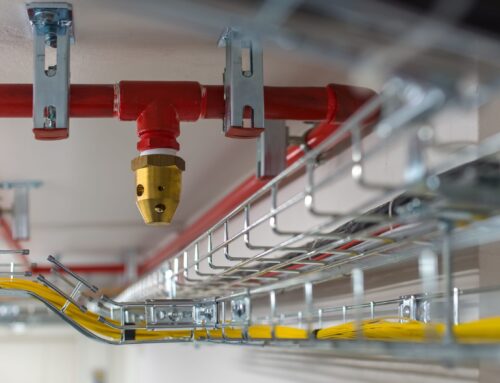
Quarterly testing applies to waterflow alarm devices and pressure supervisory switches, valve supervisory switches and tamper switches, and any other supervisory signaling devices connected to your sprinkler system. These components play a direct role in communicating the status of your fire suppression system and must be verified to be functioning correctly four times per year.
Semi-annual testing covers additional sprinkler system supervisory devices depending on system configuration, and certain notification appliances in high-demand or high-occupancy environments. Your licensed technician will identify which components in your specific system fall under the semi-annual schedule during the initial compliance audit.
Why Documentation Is the Key to Limiting Liability
Passing an inspection is only half the equation. Proving that you passed is what protects you.
NFPA 72 requires that all inspection, testing, and maintenance activities be documented and retained on site. This documentation, commonly referred to as the fire alarm logbook or inspection record, must be available to the AHJ, your insurance carrier, and fire marshals upon request. In the event of a fire, incomplete or missing inspection records can expose building owners to significant legal and financial liability, regardless of whether the system functioned correctly.
Action Fire & Alarm provides detailed written inspection reports after every service visit. These reports document every component tested, the results of each test, any deficiencies identified, and the corrective action taken or recommended. This paper trail is what your insurance company needs when assessing a claim and what the fire marshal expects to see during a compliance review. Keeping those records organized and current is one of the simplest and most effective ways to limit your liability as a property owner or facility manager.
Schedule Your NFPA 72 Compliance Audit Today
Staying compliant with NFPA 72 protects your building, your occupants, and your business from preventable risk. Action Fire & Alarm brings over 30 years of local experience serving commercial properties across Waukesha, Racine, and Milwaukee. With 24-hour emergency service and UL-listed monitoring, they are equipped to handle every level of your inspection and maintenance needs.
Schedule your NFPA 72 compliance audit with Action Fire & Alarm today and get ahead of your next inspection deadline.