A fire alarm inspection is a comprehensive evaluation of your building’s fire detection and notification system to ensure it functions properly and meets safety codes. During an inspection, certified technicians test all components, including smoke detectors, heat sensors, pull stations, control panels, and alarm notification devices, to verify they can detect fires and alert occupants effectively.
Regular fire alarm inspections are not just recommended; they’re required by the National Fire Protection Association (NFPA) and local fire codes. These inspections protect lives, safeguard property, and help you maintain compliance with fire safety regulations.
Why Fire Alarm Inspections Are Essential
Fire alarm systems serve as your first line of defense against fire emergencies. Without regular inspections, even the most advanced system can fail when you need it most. Here’s why these inspections matter:
- Life Safety: A functioning fire alarm system provides early warning, giving occupants critical time to evacuate safely. Inspection ensures every component works correctly during an emergency.
- Property Protection: Early fire detection minimizes damage to your building, equipment, and inventory. Regular inspections help identify potential system failures before they compromise your property.
- Legal Compliance: NFPA 72 requires annual inspections for most fire alarm systems. Failing to maintain compliance can result in fines, insurance complications, and increased liability.
- Insurance Requirements: Most commercial insurance policies mandate regular fire alarm inspections. Documentation from these inspections proves you’re maintaining proper fire safety measures.
- System Reliability: Fire alarm components degrade over time due to dust, environmental factors, and age. Inspections identify worn parts before they fail, ensuring your system remains dependable.
Understanding the Fire Alarm Inspection Process
Knowing what happens during a fire alarm inspection helps you prepare and understand its value. Here’s a detailed look at the typical inspection process:
1. Pre-Inspection Preparation
Before the technician arrives, your fire alarm system’s inspection history is reviewed. The inspector checks previous reports to identify recurring issues and ensures all past deficiencies have been corrected. Building managers should have maintenance records and system documentation readily available.
2. Visual Examination
The inspection begins with a thorough visual assessment of all fire alarm components. Technicians examine control panels for signs of damage, corrosion, or unauthorized modifications. They check that smoke detectors, heat sensors, and manual pull stations are properly positioned, unobstructed, and free from damage. Notification devices like horns, strobes, and speakers are inspected for physical condition and proper mounting.
3. Functional Testing
This is the most comprehensive part of the inspection. Technicians test each device individually to confirm proper operation:
- Smoke Detectors: Using smoke simulant or magnet testing, inspectors verify that detectors respond appropriately and trigger the alarm system.
- Heat Detectors: These devices are tested to ensure they activate at their rated temperature threshold.
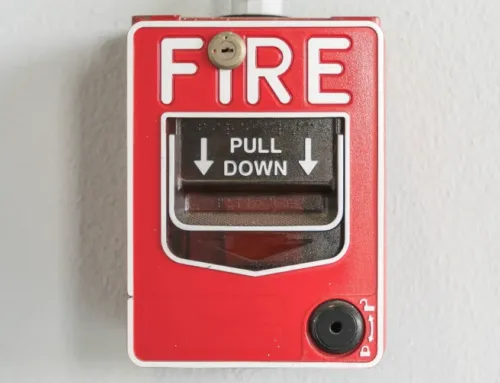
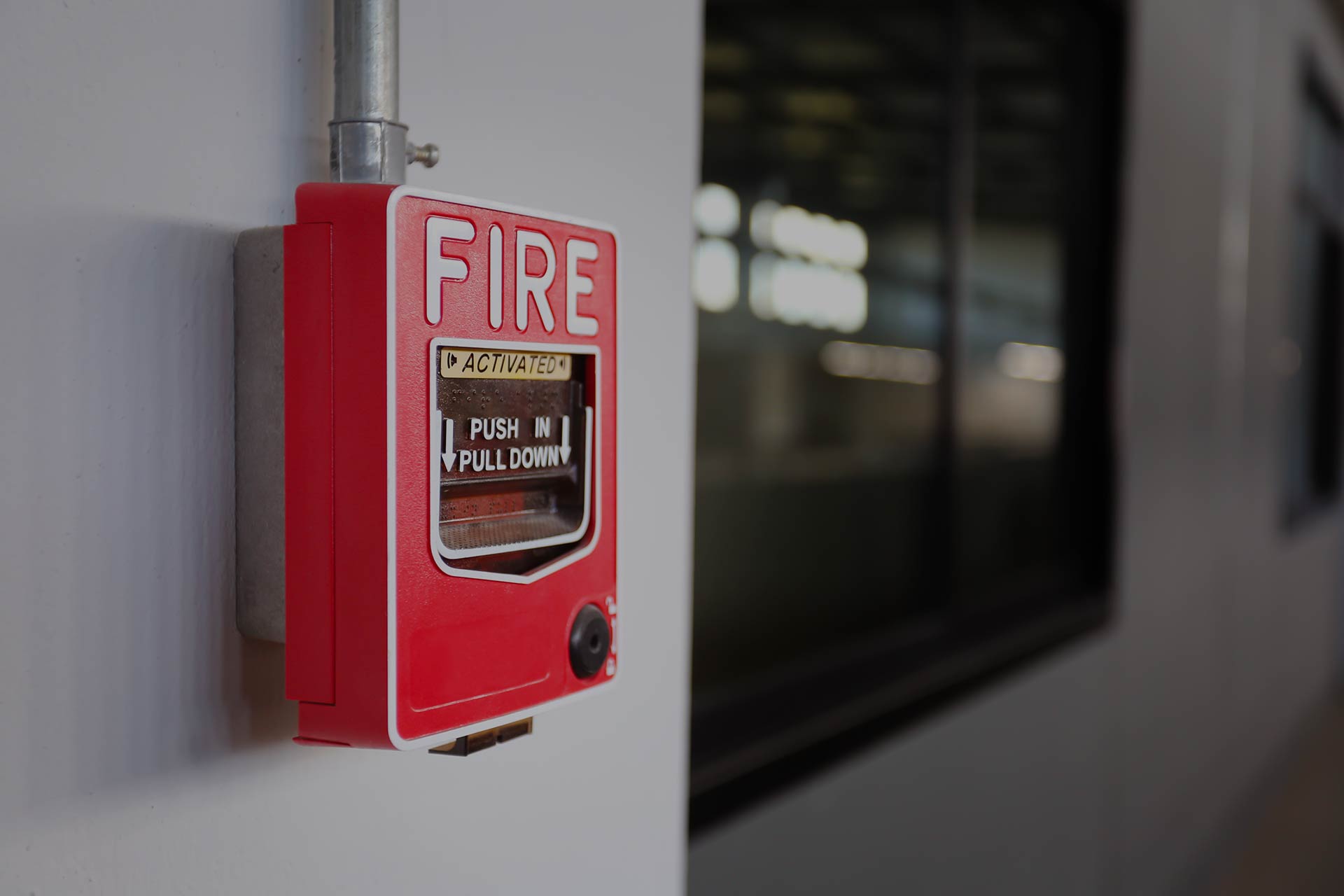
- Manual Pull Stations: Each pull station is activated to confirm it sends a signal to the control panel and initiates the alarm sequence.
- Control Panel: The brain of your fire alarm system undergoes extensive testing. Inspectors verify proper power supply, battery backup functionality, and correct programming.
- Notification Devices: All horns, bells, strobes, and speakers are tested to ensure they produce adequate sound levels and visible signals throughout the building.
- Monitoring Connection: If your system connects to a monitoring service or fire department, the inspector tests this communication link to confirm signals transmit properly.
4. Documentation and Reporting
After testing, the technician provides a detailed written report documenting all findings. This report identifies any deficiencies, recommends repairs or replacements, and confirms which components passed inspection. You’ll receive official documentation proving compliance with fire safety regulations, essential for insurance and regulatory purposes.
5. Follow-Up Actions
If deficiencies are identified, the inspector explains necessary repairs and their urgency. Some issues require immediate attention, while others can be scheduled for future maintenance. Certified technicians can often address minor problems during the inspection visit.
Frequency of Fire Alarm Inspections
The inspection schedule for your fire alarm system depends on several factors:
- Annual Inspections: NFPA 72 requires comprehensive annual inspections for most commercial fire alarm systems. These thorough examinations test every system component.
- Semi-Annual Testing: Certain components, particularly in high-risk environments, may require testing every six months.
- Quarterly Checks: Some facilities with critical operations or high occupancy need quarterly inspection of specific components.
- Monthly Testing: Building managers should perform monthly visual checks and test notification devices to ensure basic system functionality between professional inspections.
Your specific requirements depend on your building type, occupancy classification, and local fire codes. A qualified fire safety professional can determine the appropriate inspection schedule for your facility.
Common Issues Found During Inspections
Fire alarm inspections frequently reveal these problems:
- Dead Batteries: Backup batteries in control panels and wireless devices lose capacity over time and require replacement.
- Dirty Sensors: Dust and debris accumulation can cause false alarms or prevent proper fire detection.
- Damaged Devices: Physical damage from construction, maintenance, or accidents can compromise detector and notification device functionality.
- Outdated Equipment: Older components may not meet current fire codes or may have reached the end of their service life.
- Obstructed Devices: Furniture, decorations, or renovations sometimes block smoke detectors or cover notification devices, reducing effectiveness.
- Wiring Problems: Loose connections, corroded terminals, or damaged cables can disrupt system communication.
- Programming Errors: Control panel programming may become corrupted or may not reflect building modifications.
Identifying these issues during routine inspections prevents system failure during actual emergencies.
What to Expect During Your Fire Alarm Inspection
When scheduling a fire alarm inspection, here’s what you can anticipate:
- Duration: Most inspections take two to four hours, depending on system complexity and building size. Large facilities with extensive systems may require a full day or multiple visits.
- Disruption: Testing will activate your fire alarm system, creating noise and flashing lights. Coordinate with building occupants in advance and consider scheduling during off-hours if necessary.
- Access Requirements: Inspectors need access to all areas containing fire alarm components, including mechanical rooms, electrical closets, and ceiling spaces.
- Temporary Alarm Notifications: If your system connects to monitoring services, you’ll need to place it on “test mode” to prevent unnecessary emergency responses.
- Cost: Inspection costs vary based on system size and complexity. However, regular inspections are far less expensive than emergency repairs, system failures, or fire-related losses.
Benefits Beyond Compliance
While meeting regulatory requirements is important, fire alarm inspections provide additional advantages:
- Extended System Life: Regular maintenance and early problem detection extend your fire alarm system’s operational life, protecting your investment.
- Reduced False Alarms: Inspections identify and correct issues that cause false alarms, reducing disruption and maintaining confidence in your system.
- Peace of Mind: Knowing your fire alarm system has been professionally tested and certified provides confidence that your building is protected.
- Emergency Preparedness: The inspection process often reveals opportunities to improve your overall fire safety plan and emergency procedures.
- Liability Protection: Documented inspections demonstrate due diligence in maintaining a safe environment, potentially reducing liability in case of incidents.
Choosing a Qualified Inspection Provider
Not all fire alarm inspection services are equal. When selecting a provider, consider these factors:
- Certification and Licensing: Ensure technicians hold appropriate certifications, such as NICET (National Institute for Certification in Engineering Technologies) credentials.
- Experience: Look for providers with extensive experience inspecting your specific type of fire alarm system and building occupancy.
- Comprehensive Service: Choose a company that offers not just inspection but also repair, maintenance, and emergency service capabilities.
- Local Knowledge: Providers familiar with local fire codes and building departments ensure compliance with jurisdiction-specific requirements.
- Documentation Quality: Professional providers deliver detailed inspection reports with clear findings and recommendations.
- Reputation: Research customer reviews and ask for references from similar facilities.
Preparing for Your Fire Alarm Inspection
Maximize the value of your inspection with these preparation steps:
- Schedule Appropriately: Book inspections well before your compliance deadline to allow time for any necessary repairs.
- Notify Occupants: Inform building users about the inspection date and explain they’ll hear alarms during testing.
- Provide Access: Ensure inspectors can reach all fire alarm components without delay.
- Gather Documentation: Have your system’s maintenance history, previous inspection reports, and building modifications readily available.
- Coordinate with Monitoring: Contact your monitoring service to place the system in test mode and prevent false dispatches.
- Note Concerns: If you’ve experienced false alarms, malfunctions, or have questions about system operation, document these for discussion with the inspector.
Take Action to Protect Your Building
Fire alarm inspections represent a small investment that yields significant returns in safety, compliance, and peace of mind. These systematic evaluations ensure your fire detection and notification system will perform when lives depend on it.
Don’t wait for a system failure or compliance violation to take action. Schedule your fire alarm inspection with experienced professionals who understand the critical importance of properly functioning fire safety systems.
At Action Fire & Alarm, our certified technicians have served Wisconsin for over 30 years with thorough, professional fire alarm inspection services. We combine technical expertise with honest, friendly customer service to ensure your fire alarm system meets all safety requirements and protects your building effectively.
Contact Action Fire & Alarm today to schedule your fire alarm inspection and ensure your building’s fire safety system is ready to protect lives and property when it matters most.