Fire sprinkler systems are one of the most reliable lines of defense a building has against fire. But reliability is not automatic. It requires consistent maintenance, proper documentation, and adherence to established codes. When a system goes uninspected or falls into disrepair, the consequences can extend far beyond a failed inspection report. They can mean the difference between a contained incident and a catastrophic loss.
For property managers, building owners, and facility maintenance teams, understanding why fire sprinkler systems fail inspections is the first step toward making sure yours never does.
What Happens During a Fire Sprinkler Inspection
Fire sprinkler inspections in the United States are governed by NFPA 25, the Standard for the Inspection, Testing, and Maintenance of Water-Based Fire Protection Systems. This code establishes the minimum requirements for how systems should be examined, how often, and what qualifies as a deficiency.
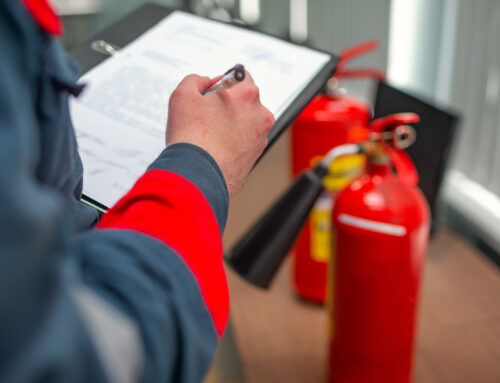
Inspections are not a single annual visit. NFPA 25 outlines a tiered schedule of observation and testing that includes weekly, monthly, quarterly, annual, and multi-year intervals depending on the component being evaluated. A licensed inspector will assess sprinkler heads, control valves, pressure gauges, piping, backflow preventers, documentation records, and overall system design against current code requirements.
The goal of every inspection is to confirm that your system will activate correctly when it is needed. When something falls short of that standard, a deficiency is recorded and tagged accordingly.
Top Reasons Fire Sprinkler Systems Fail Inspections
3.1 Obstructed or Damaged Sprinkler Heads
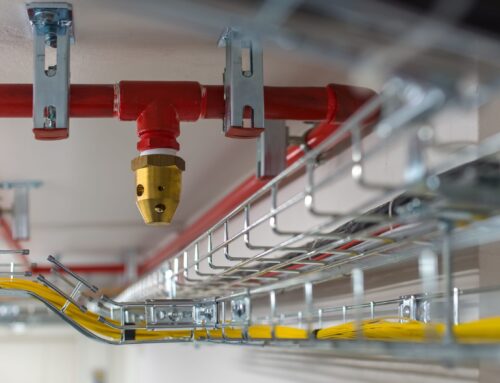
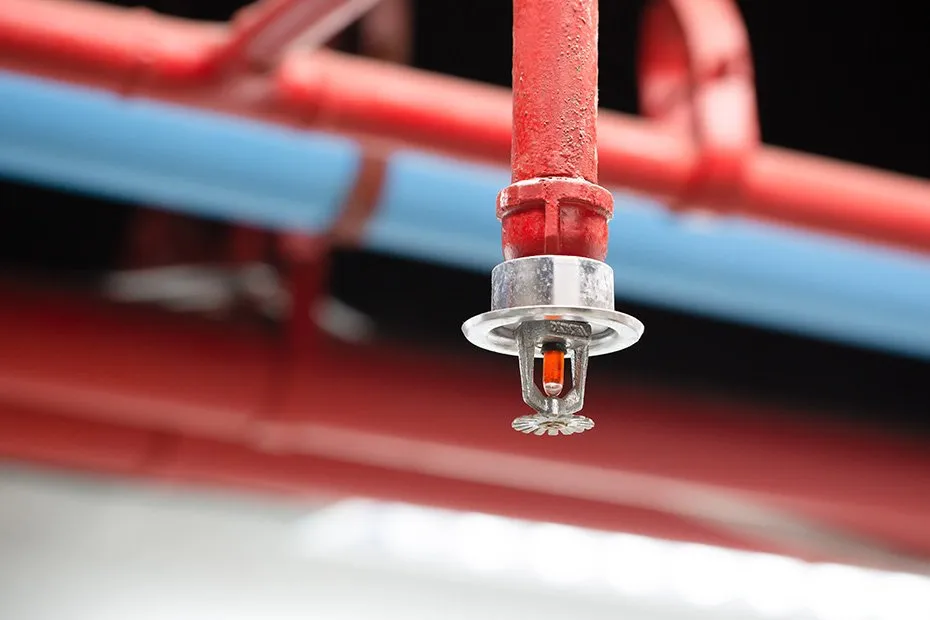
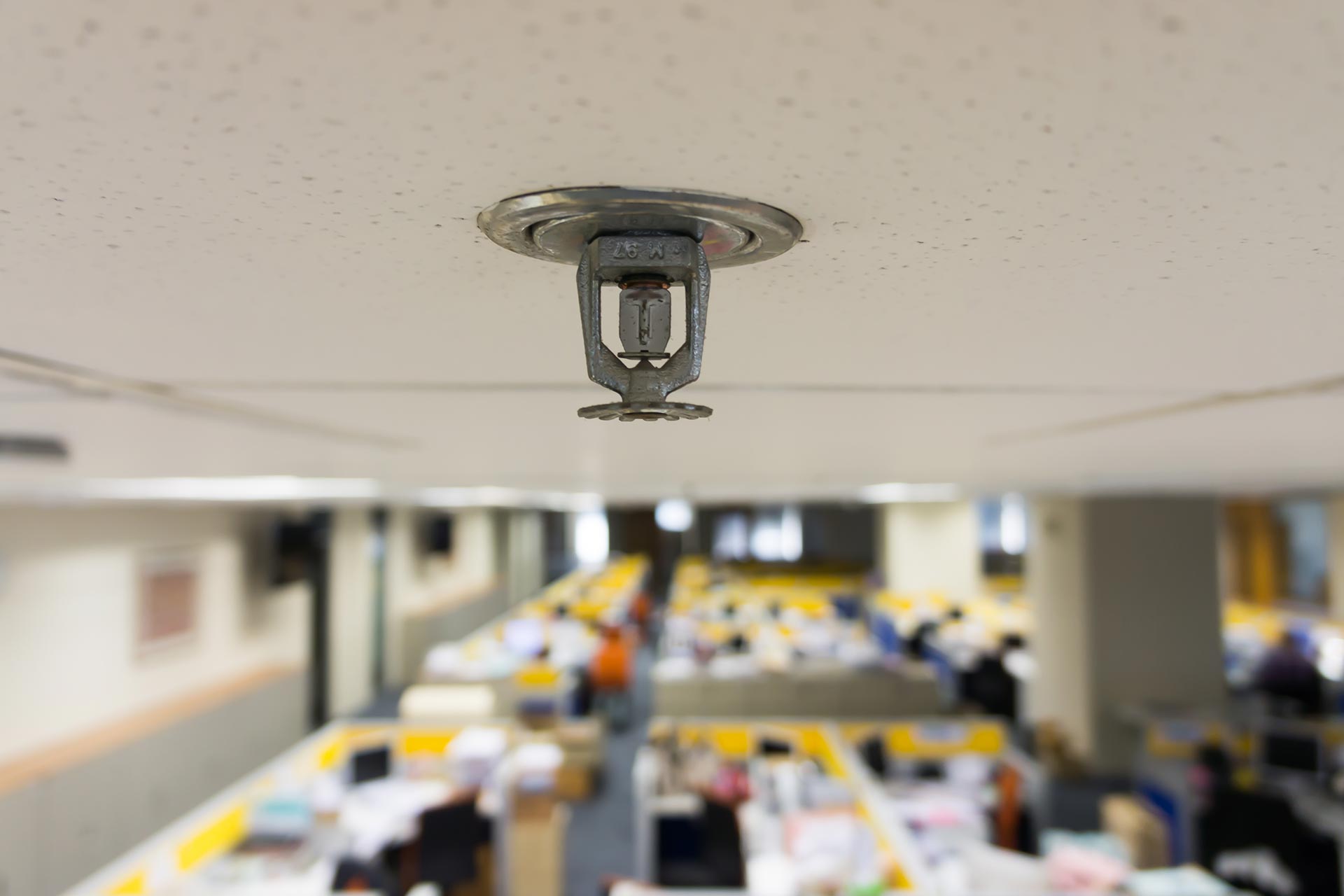
Sprinkler heads are the most visible component of a fire suppression system, and they are among the most commonly cited sources of inspection violations. Obstruction can occur in several ways. Storage materials stacked too close to a sprinkler head can block water distribution patterns and prevent adequate coverage of the area below. Furniture repositioned over time can create the same problem without anyone noticing.
Physical damage from forklifts, ladders, equipment, or accidental contact can compromise the integrity of a sprinkler head entirely. A bent deflector or cracked body will not perform as designed.
Painted sprinkler heads are a particularly common violation that surprises many building owners. Paint alters the thermal response characteristics of the head. A head that has been painted during a building renovation may no longer activate at the correct temperature threshold, which effectively disables it in a fire event. NFPA 25 is clear that painted, corroded, or otherwise obstructed heads must be replaced, not cleaned.
Inspectors will also flag heads that have exceeded their service life. Older sprinkler heads are subject to recall programs and mandatory replacement timelines based on type and installation date.
3.2 Closed or Tampered Valves
A closed control valve is widely recognized as one of the leading causes of fire sprinkler system failure in actual fire events. When a valve is shut, whether intentionally during a repair and never reopened or accidentally, the system has no water supply to draw from. It cannot activate regardless of how well-maintained every other component may be.
NFPA 25 requires that control valves be inspected weekly in many occupancy types and that tamper switches be in place to signal any unauthorized valve movement. During an inspection, a closed valve or a non-functional tamper switch will result in an immediate deficiency citation.
Human error accounts for a significant share of these failures. A valve may be closed for maintenance work, a shift change occurs, communication breaks down, and the valve is never reopened. This is why documented valve management procedures and tamper monitoring are not optional safeguards. They are code requirements.
3.3 Corroded, Leaking, or Obstructed Pipes
The interior of your fire sprinkler piping is not something most building owners ever see, but what builds up inside those pipes over years of service can significantly compromise system performance.
Corrosion is a progressive problem. In wet pipe systems, standing water and oxygen create conditions where internal rusting can develop over time, narrowing pipe interiors, weakening pipe walls, and ultimately causing leaks or blockages. In dry pipe and pre-action systems, the presence of even small amounts of residual moisture can accelerate microbiologically influenced corrosion (MIC), a particularly aggressive form of pipe degradation.
NFPA 25 mandates internal pipe inspections at defined intervals to catch these issues before they become structural failures. When inspectors find active leaks, pitting, or significant sediment accumulation, remediation is required before the system can be considered compliant.
Obstructions from debris, scale buildup, or foreign material introduced during installation or maintenance can reduce water flow to a level where the system cannot achieve its designed coverage. An obstruction investigation is triggered when certain indicators are present during inspection.
3.4 Outdated or Incorrect Pressure Gauges
Pressure gauges are required at key points throughout a sprinkler system to allow inspectors and facility personnel to verify that water pressure is within the required operating range. A gauge that reads incorrectly, whether due to age, damage, or calibration drift, produces data that cannot be trusted.
NFPA 25 requires that gauges be replaced or recalibrated every five years. A gauge that has exceeded this interval is a compliance violation in itself, regardless of what the needle says. Inspectors will check the gauge condition, the date of last calibration, and whether the readings correspond to expected system pressures.
Inaccurate gauge readings can mask low-pressure conditions that indicate supply problems, valve issues, or leaks elsewhere in the system. This makes gauge maintenance more than a paperwork requirement. It is a functional safety concern.
3.5 Documentation and Compliance Gaps
Documentation failures are among the most easily preventable inspection violations and among the most commonly cited ones. NFPA 25 mandates that the authority having jurisdiction (AHJ) must record, sign, and retain all inspection, testing, and maintenance activities for review.
Missing inspection tags, overdue testing intervals, incomplete maintenance logs, and absent prior inspection reports all constitute compliance deficiencies. Many jurisdictions treat a lack of documentation as equivalent to a lack of performance. Regulators and insurance carriers will assume you did not perform the work if you cannot prove it.
Gaps in documentation also create significant liability exposure. Incomplete maintenance records, in the event of a fire, can complicate insurance claims and lead to legal challenges that a thorough paper trail would have prevented.
3.6 Environmental and Design Issues
Not every inspection failure stems from neglect. Some deficiencies stem from design mismatches, building changes, or environmental conditions beyond the original system’s capacity.
Freezing is a recurring problem in wet pipe systems installed in areas subject to low temperatures, such as parking structures, loading docks, unheated storage areas, or buildings with inadequate insulation. When the water in the pipes freezes, it can cause pipes to burst, valves to seize, and the entire system to become inoperable. Dry pipe and antifreeze systems are designed for these environments, and installing the wrong system type for the occupancy is a design deficiency.
Buildings that undergo renovations, additions, or changes in occupancy type may outgrow the hydraulic capacity of the original sprinkler design. For instance, a warehouse that has been turned into a high-piled storage facility may need a new system design to meet current coverage and density standards. Inspectors assess whether the system, as installed, is appropriate for the current use of the space.
What Happens If a Fire Sprinkler System Fails Inspection
Inspection outcomes are communicated through a color-coded tagging system that indicates the severity of identified deficiencies.
A green tag indicates that the system passed inspection and is in a compliant, operational condition.
An orange tag signals that deficiencies were found that require correction within a defined timeframe, typically 30 days, but do not pose an immediate threat to system function. Obstructed heads, overdue gauge calibrations, and documentation gaps often fall into this category.
A red tag indicates a critical deficiency that renders the system non-operational or presents an immediate hazard. Closed valves, burst pipes, and severely impaired system components trigger red tag citations. A red tag deficiency typically requires immediate notification to the AHJ and may prompt an order to cease occupancy until the issue is corrected.
Beyond the tagging outcome, a failed inspection can trigger code enforcement action from the local fire marshal, policy review or cancellation by your insurance carrier, and increased liability exposure in the event of an incident.
Preventing Inspection Failures: Actionable Strategies
Establish a Routine Professional Maintenance Plan. Partner with a licensed fire protection contractor to put your system on a proactive maintenance schedule. Scheduled service visits catch developing issues before they become inspection failures and keep your documentation current.
Follow weekly, monthly, and quarterly checklists. Facility staff can handle certain observation tasks between professional service visits. Visual checks of control valve positions, pressure gauge readings, and sprinkler head clearance should be part of a routine facility walk. These checks do not replace professional inspections, but they close the gap between scheduled service intervals.
Maintain Proper Documentation and Digital Records. Every inspection, test, and maintenance activity should be logged with the date, scope of work, technician credentials, and any deficiencies noted, along with corrective actions taken. Digital recordkeeping makes retrieval easier when an inspector or AHJ requests documentation.
Work Against an NFPA 25 Compliance Checklist. Use NFPA 25 inspection intervals as a master schedule for your facility. Map each component to its required inspection frequency and build reminders into your maintenance calendar so nothing is overlooked or delayed past its due date.
Train Employees on System Awareness. Building staff do not need to be fire protection technicians, but they should understand the basics. They should know where control valves are located, what a tamper alarm means, why sprinkler head clearance matters, and who to contact when something looks wrong. Awareness at the staff level is a frontline defense against the human errors that cause many inspection failures.
Prepare Seasonally for Cold Weather. In facilities with wet pipe systems in temperature-vulnerable areas, winterization is a critical annual task. Confirm that heat tape, insulation, and building temperature controls are in place before cold weather arrives. Identify any areas where pipe freezing has occurred in the past and address the root cause rather than managing the symptom each winter.
Why Partner With Action Fire & Alarm
At Action Fire & Alarm, we work with property managers and building owners to keep fire sprinkler systems inspection-ready year-round. Our team is trained to NFPA 25 standards and brings that knowledge to every inspection, test, and maintenance visit we complete.
We do not offer a one-size-fits-all approach. We build customized inspection, testing, and maintenance programs around your facility’s specific system type, occupancy classification, and compliance timeline. When we find deficiencies, we document them clearly, explain the path to correction, and follow through to make sure every issue is resolved before your next inspection.
Our documentation support ensures you always have complete, organized records available when the AHJ or your insurance carrier requests them. And with 24/7 service response for critical deficiencies, a red tag situation never has to mean extended downtime or occupancy disruption.
Inspection readiness is not something that happens once a year. It is the result of consistent attention, skilled maintenance, and a trusted service partner who knows your system. That is what we are here for.
Schedule Your Annual Fire Sprinkler Inspection Today. Contact Action Fire & Alarm to set up a comprehensive inspection and maintenance program for your property.
Request a risk assessment. Not sure where your system stands? We can evaluate your current condition against NFPA 25 requirements and identify any areas of concern before your next scheduled inspection.